

Embracing the Homestead Kitchen: Nourishing Family Through From-Scratch Cooking and New Experiences
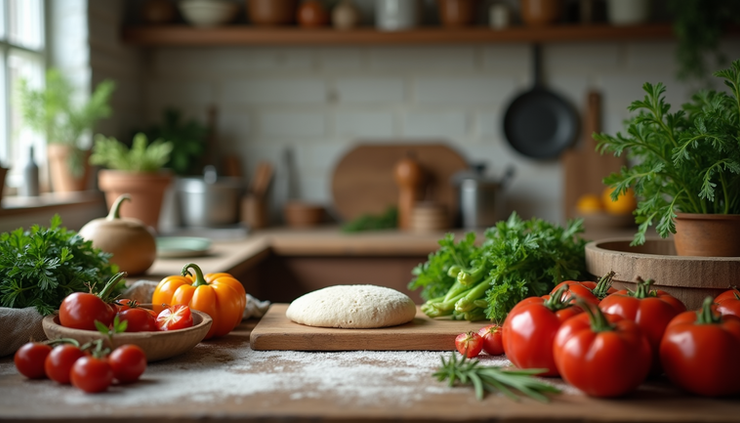
The kitchen is more than just a place to prepare meals. It is a space where family traditions grow, creativity sparks, and healthy habits take root. For many, the homestead kitchen represents a return to basics: cooking from scratch, reducing processed foods, and involving children in the joy of making nourishing meals. This approach goes beyond diet trends or quick fixes. It’s about creating food that fuels the body and soul, building confidence through experimentation, and sharing meaningful moments around the table.
Why the Homestead Kitchen Matters
In today’s fast-paced world, convenience often wins over quality. Pre-packaged meals and sugary snacks fill many pantries, but they rarely provide the nourishment families need. The homestead kitchen challenges this norm by focusing on whole foods and homemade dishes. This shift supports better health and fosters a deeper connection to what we eat.
Cooking from scratch means knowing exactly what goes into each dish. It allows control over ingredients, especially sugar and preservatives, which are often hidden in processed foods. Reducing sugar not only benefits physical health but also helps develop a natural taste for wholesome flavors. This change can be subtle but powerful, especially for children learning to appreciate real food.
Nourishing Food Without Diet Culture
The homestead kitchen is not about strict diets or calorie counting. It’s about nourishing the family with balanced meals that satisfy hunger and taste buds alike. This mindset encourages variety and enjoyment rather than restriction. It teaches children that food is fuel and pleasure, not a source of guilt.
By focusing on nourishment, families can avoid the pitfalls of diet culture, which often promotes unrealistic standards and food anxiety. Instead, the kitchen becomes a place of learning and celebration. Meals include colorful vegetables, whole grains, and lean proteins, prepared in ways that highlight their natural goodness.
The Joy of From-Scratch Cooking
Making meals from scratch can seem daunting at first, but it offers many rewards. It allows for creativity and customization, adapting recipes to family preferences and dietary needs. From baking bread to simmering soups, each step builds skills and confidence.
Experimenting with new ingredients or techniques keeps cooking exciting. Trying unfamiliar spices, grains, or vegetables opens doors to new flavors and textures. This spirit of discovery can inspire the whole family to be more adventurous eaters.
Getting Kids Involved in the Kitchen
One of the most rewarding aspects of the homestead kitchen is involving children in cooking. Kids who help prepare meals are more likely to try new foods and develop healthy eating habits. Cooking together also teaches valuable life skills like measuring, following instructions, and teamwork.
Simple tasks like washing vegetables, stirring batter, or setting the table can engage children of all ages. Older kids can take on more complex roles, such as chopping or managing the stove under supervision. These experiences create a sense of accomplishment and pride.
Reducing Sugar and Processed Foods
Cutting back on sugar and processed foods is a key goal in the homestead kitchen. Processed snacks often contain hidden sugars and additives that contribute to health issues over time. By preparing meals at home, families can limit these ingredients and focus on natural sweetness from fruits and whole foods.
Replacing sugary treats with homemade alternatives is a practical step. For example, baking muffins with mashed bananas or applesauce reduces added sugar while maintaining flavor. Using fresh herbs and spices enhances taste without relying on artificial additives.
Feelings of Accomplishment Through Cooking
Completing a meal from start to finish brings a strong sense of achievement. This feeling motivates continued cooking and experimentation. It also builds resilience, as mistakes become learning opportunities rather than failures.
Sharing homemade food with family and friends adds to this satisfaction. Compliments and smiles around the table reinforce the value of time and effort spent in the kitchen. Over time, these positive experiences create lasting memories and traditions.
Research and Experimentation in the Kitchen
The homestead kitchen thrives on curiosity and learning. Researching recipes, nutritional information, and cooking techniques helps improve meals and expand knowledge. Experimentation encourages trying new methods or ingredients to find what works best for the family.
For example, swapping white flour for whole wheat or experimenting with fermentation can enhance nutrition and flavor. Keeping notes on successes and adjustments turns cooking into a rewarding hobby. This process also teaches children that cooking is a skill that grows with practice.
Practical Tips for Embracing the Homestead Kitchen
Plan meals ahead to reduce stress and avoid last-minute processed options.
Shop seasonally and locally to get fresh, affordable ingredients.
Batch cook and freeze meals for busy days.
Use simple recipes that allow for flexibility and creativity.
Involve kids regularly with age-appropriate tasks.
Limit sugary treats by offering fruit or homemade snacks.
Keep a cooking journal to track favorite recipes and new ideas.
Celebrate small wins to build confidence and motivation.
Building a Family Culture Around Food
The homestead kitchen is more than cooking; it’s about creating a family culture that values health, creativity, and togetherness. Sharing meals encourages conversation and connection. It also teaches children respect for food and the effort behind it.
By prioritizing nourishing food and hands-on cooking, families lay a foundation for lifelong wellness. These habits support physical health and emotional well-being, making the kitchen a central place for growth and joy.


Comments